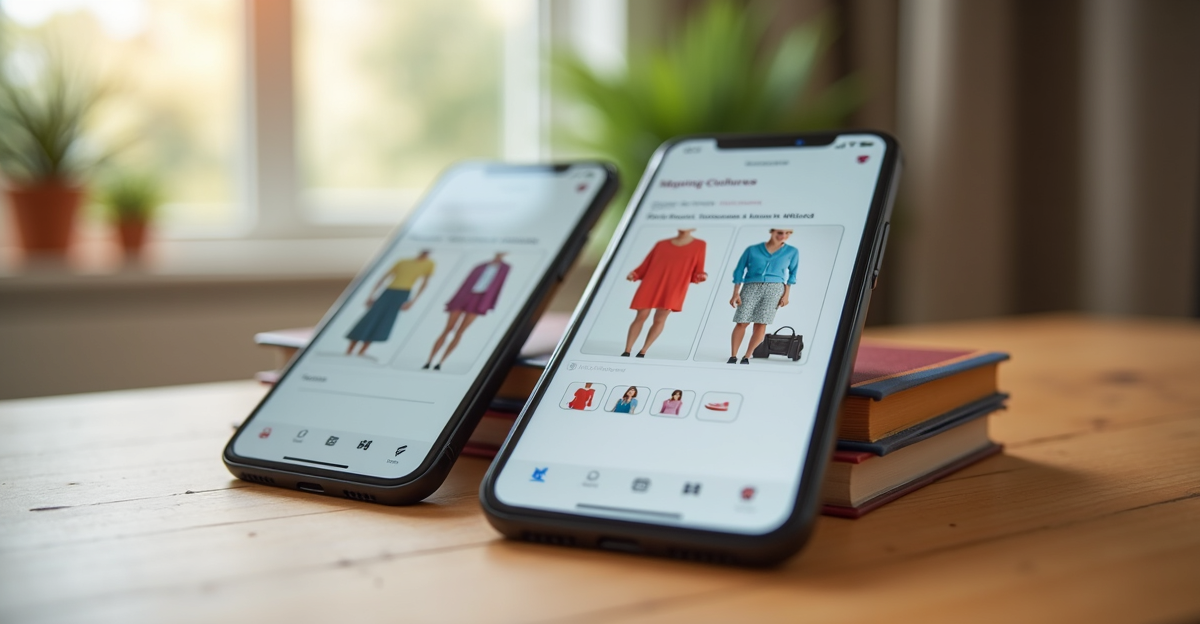
In early 2026, Acloset quietly capped its free plan at 100 items. Not 100 outfits. 100 items. That’s your coats, jeans, shoes, shirts, and dresses — everything — inside one limit.
If you’d spent hours cataloging your closet, you woke up to a retroactive paywall. Pay $3.99/month or lose access to anything above item 100. No warning. No grace period.
The problem? Every article telling you where to switch was written by a competing app. Fits, Indyx, Clueless, Wardrowbe — they all published “best wardrobe apps” roundups that conveniently ranked themselves at the top. This one wasn’t written by any of them.
The quick verdict: For most people, Fits is the cleanest free replacement — unlimited items, no cap, solid AI features. But if Acloset’s paywall move made you want an app that actually helps you wear what you own rather than nudge you toward buying more, Whering or Cladwell will serve you better long-term.
Here’s how six alternatives actually compare — honest, source-cited, and without a sales pitch.
Why People Are Leaving Acloset in 2026
The cap itself isn’t the whole story. $3.99/month is, objectively, not a lot of money.
The sting is that the limit didn’t exist when people started using the app. Longtime free users who’d patiently cataloged 200+ items suddenly found their digital wardrobe half-locked. As one reviewer at A Considered Life put it: “100 items sounds like plenty — until you remember that’s basically one season of real clothes for most people.”
That’s not a starter limit. That’s most actual wardrobes.
Acloset’s paid plans start at $3.99/month for more than 100 items (Oreate AI, 2026). That’s a reasonable subscription if you’d chosen it going in. What felt like a bait-and-switch was the retroactive change to existing accounts — which drove a significant spike in searches for alternatives.
To be fair: the app itself is still good. The Korean-style aesthetic is clean, the AI outfit suggestions are polished, and the UX is genuinely pleasant. This isn’t a “Acloset is bad” article. It’s a “you have good options” article.
How We Evaluated These Alternatives
Before the comparison table, here’s what we actually measured — and why.
Free-tier generosity: Does the free plan treat you like a real user, or like a demo account?
AI quality: Does the recommendation engine help you rediscover clothes you already own, or is it quietly optimized to surface things you’d need to buy?
Sustainability tools: Carbon tracking, cost-per-wear, secondhand marketplace integration — we gave extra credit to apps that treat your existing wardrobe as an asset rather than a starting point for a shopping list.
Conflict of interest: We explicitly flag which apps have written the roundups you’ve already found and ranked themselves first.
Stability and update cadence: Features on paper don’t matter if the app crashes constantly. Where there’s community-reported evidence of reliability issues, we say so.
The bottom line on our criteria: we favor apps that make you a more intentional shopper. Not apps that dress up purchase funnels as “personalization.”
The 6 Best Acloset Alternatives, Ranked
Here’s the comparison at a glance, then we’ll go deeper on each.
| App | Free Item Limit | Paid Price | Sustainability Features | Best For |
|---|---|---|---|---|
| Fits | Unlimited | Fits Pro (varies) | Minimal | Most people switching from Acloset |
| Whering | Unlimited* | ~$6/month | Excellent — carbon tracking, CPW, secondhand | Eco-conscious shoppers |
| Cladwell | Unlimited | $7.99/month | Strong — capsule philosophy, buy-less focus | Capsule wardrobe builders |
| Indyx | Unlimited | ~$19 AUD/month | Good — cost-per-wear analytics | Data-driven dressers |
| Stylebook | Unlimited | $5.99 one-time | None | iOS users who hate subscriptions |
| Pureple | Unlimited | In-app purchases | Minimal | Bare-bones free option |
Whering free-tier item limit unconfirmed — verify on current app listing before committing.
1. Fits — Best Overall Free Alternative
If you want the fastest, cleanest migration from Acloset, Fits is it.
The free plan includes unlimited clothing items, unlimited outfits, unlimited AI background removal, and automatic category/color/season detection — all without a paywall (Fits Help Center). The Fits team has been direct about the comparison: “Unlike Acloset which limits you to maximum 100 items on the free plan, Fits has no such limit.” (Fits TikTok @fits.app)
The collage-style outfit builder is genuinely satisfying — it feels closer to a mood board than a spreadsheet, which is more than you can say for most wardrobe apps. There’s also a community OOTD feed if you want inspiration from real people’s closets.
The honest caveat: Fits leans social and community-first. The feed can easily pull you toward trending items rather than what’s already hanging in your closet. It’s a strong app, but its incentive structure is closer to Instagram than to a personal stylist.
Sustainability rating: Low. No carbon tracking, no cost-per-wear, no secondhand integration.
2. Whering — Best for Sustainable Tracking
If Acloset’s cap is the thing that finally made you want to track how you’re using your wardrobe — not just catalog it — Whering is the app for that.
Whering tracks the carbon footprint across your entire wardrobe, monitors cost-per-wear for every item, and connects you with secondhand marketplaces and clothing repair services. According to The Ethical Resistance: “Whering calculates the environmental impact of your wardrobe and encourages wearing what you own — earning strong marks from eco-conscious users.”
That’s exactly the kind of accountability feature most wardrobe apps quietly avoid. Knowing that your $80 blazer has been worn once and has a cost-per-wear of $80 is uncomfortable data. Uncomfortable data changes behavior.
The free core version covers the basics; premium runs approximately $6/month (pricing from third-party reviews — confirm on Whering’s current pricing page before subscribing).
The honest caveat: Stability. In 2025, reviews flagged repeated crashes, lack of meaningful updates, and a stagnant interface. Wardrowbe.com noted: “Whering hasn’t kept pace with expectations, with longtime users expressing frustration over repeated crashes and a stagnant user interface.” Check current App Store reviews before fully committing — app quality can shift fast with updates.
Sustainability rating: Excellent.
3. Cladwell — Best Capsule Wardrobe Philosophy
Cladwell takes a genuinely different approach, and it confuses people at first.
Most wardrobe apps start by asking you to photograph everything you own. Cladwell starts with capsule templates — pre-built outfit frameworks — that you then swap your actual clothes into. It’s backwards compared to Acloset, but the philosophy makes sense: start with what a functional wardrobe looks like, then see how much of what you own actually contributes to it.
Independent fashion blogger Laurieloo.com describes it well: “Unlike every other wardrobe app, Cladwell doesn’t have you start with cataloging your own wardrobe — it starts with a capsule template, then you swap in your actual clothes.”
The free tier includes one outfit recommendation per day and 5 AI chat messages per month — limited, but enough to test the concept. Paid is $7.99/month for unlimited outfits, mini-capsules, and wardrobe analytics. There’s also a $49/month tier with human stylist access, which is overkill for most people (Cladwell Pricing).
If you want to pair this with broader capsule wardrobe thinking, check out our guide to the best AI capsule wardrobe apps for more options in this space.
The honest caveat: If you want to catalog your entire existing closet exactly as Acloset did, Cladwell won’t scratch that itch. This is a different philosophy — focused on fewer, better choices, not comprehensive inventory.
Sustainability rating: Strong. The entire design philosophy discourages accumulation from the first screen you see.
4. Indyx — Best for Wardrobe Analytics
Indyx offers one of the most generous free tiers in the category: unlimited items, unlimited outfits, packing lists, and closet sharing — all free (Indyx, myindyx.com/how-it-works).
The real power is in the analytics. The Insider paid tier (approximately $19 AUD/month) unlocks the full analytics dashboard and outfit logging — cost-per-wear tracking, wardrobe utilization data, pattern analysis across what you actually wear. For someone who approaches their closet like a data problem, Indyx is genuinely compelling.
The honest caveat: Indyx’s own blog is one of the top-ranking “best wardrobe apps” roundups — and it naturally positions Indyx at the top. The app is good, but that context is worth knowing when you read their marketing.
Sustainability rating: Good. Cost-per-wear tracking is the most honest accountability tool in this entire category.
5. Stylebook — Best for iOS Users Who Hate Subscriptions
Stylebook is the contrarian option: $5.99, one time, no monthly fee, ever.
It’s iOS only, it has no AI features to speak of, and it’s not going to impress anyone with machine learning. But if you’re the kind of person who wants to organize a wardrobe without handing an algorithm your data or paying indefinitely, Stylebook delivers exactly that — solid manual organization, reliable cataloging tools, clean interface (App Store).
The honest caveat: No Android, no AI, no sustainability features. This is for the purists.
Sustainability rating: Neutral — no specific tools, but no purchase-nudging either.
6. Pureple — Best Bare-Bones Free Option
Pureple auto-categorizes clothing, generates outfit suggestions, and works cross-device — all on a genuinely free plan with optional in-app purchases for advanced features.
It’s not flashy. The UI feels older than the competition. But it’s reliable, truly free for basic use, and doesn’t have a hidden agenda. If your primary requirement is “free, functional, and not going to cap my items,” Pureple qualifies.
The honest caveat: You’re not going to be excited about this app. You’re going to use it and not complain about it. Sometimes that’s exactly what you need.
Sustainability rating: Minimal.
The One Thing Most AI Wardrobe Apps Get Wrong
Here’s what none of these apps will tell you in their marketing: most “AI outfit recommendations” are quietly optimized to show you items you don’t own.
The pattern is consistent across the category. The AI surfaces a beautiful outfit suggestion. Three of the five pieces are already in your closet. The fourth is a “similar item” linked to a retailer. The fifth is flagged as a “gap” in your wardrobe that you should fill.
That’s not a styling assistant. That’s a shopping funnel wearing a capsule wardrobe costume.
An app that generates 50 outfits entirely from clothes you already own is more valuable than one that generates 50 outfits requiring 30 new purchases. The first app helps you get dressed. The second app helps you spend money.
Whering and Cladwell pass the conscious-shopper test more consistently than the others. Whering makes the environmental cost of underused items visible — and when you can see that math, buying a tenth black top stops feeling like a neutral decision. Cladwell’s capsule philosophy actively discourages accumulation from the first screen you see.
Fits, despite being the best free Acloset replacement on feature count, leans social. The community feed is great for inspiration, but the incentive structure tips toward “look at what other people are wearing” — which can easily become “look at what other people bought recently.”
Indyx’s cost-per-wear tracking deserves separate mention. Making you confront that you paid $120 for a dress you’ve worn once — cost-per-wear: $120 — is the most honest accountability feature in the entire category. That kind of friction is exactly what changes purchasing behavior over time.
The best wardrobe apps aren’t neutral tools. They’re built with business models, and those business models shape what the AI decides to surface next. Read the features list, but also read who profits from what you do after.
If you want tools that go further — helping you develop a full personal style rather than just managing inventory — our roundup of AI styling apps that go beyond your closet covers broader options.
Frequently Asked Questions
Which wardrobe apps are completely free with no item limit in 2026?
Fits and Indyx both offer unlimited items on their free plans with no confirmed cap. Pureple’s basic plan is also unlimited. Whering’s free core version covers most basic features (item limit not confirmed as capped — verify on the current app listing). Acloset is now the primary app in this category that enforces a 100-item free-tier limit.
Is Fits better than Acloset for AI outfit suggestions?
For free users in 2026, yes. Fits has no item cap, AI background removal, and a complete free tier — all things Acloset’s free plan no longer fully offers. Fits’ strength is the collage-style outfit builder and community feed. Acloset’s strength was its polished aesthetic and Korean-style digital closet UX. If that specific visual experience matters to you, you’ll notice the difference. If your priority is not hitting a paywall, you won’t miss it.
Which Acloset alternative is best for sustainable and secondhand fashion tracking?
Whering, without question. It’s the only app in this comparison that tracks carbon footprint across your wardrobe, monitors cost-per-wear for every item, and connects you with secondhand marketplaces and clothing repair services. The one caveat: check current App Store reviews before committing. Stability issues were flagged in 2025 reviews — the situation may have improved, but it’s worth verifying.
Does any AI wardrobe app actually help build YOUR personal style rather than just trend-following?
Cladwell comes closest. Its capsule approach deliberately starts with what makes a functional wardrobe, then maps your actual clothes to that structure — designed to reduce accumulation, not encourage it. Indyx’s cost-per-wear analytics make you confront which pieces are actually earning their closet space. Community-first apps like Fits and Whering can inspire personal style, but the social feed also risks pulling you toward whatever’s trending rather than what’s authentically yours.
If developing a distinct personal style is the goal, pairing a wardrobe app with an AI personal color analysis tool can help you understand which colors in your existing closet actually work for your complexion — a dimension none of these apps address directly.
What exactly changed with Acloset’s free plan in 2026?
Acloset capped free accounts at 100 clothing items in early 2026. Previously, the free plan had no item limit. Paid plans now start at $3.99/month. Existing free users who’d already cataloged more than 100 items found those additional items inaccessible without upgrading — with no warning beforehand — which is why searches for alternatives spiked sharply.
Your Next Move
If you just want to switch without overthinking it, download Fits. It’s free, it’s unlimited, and it does what Acloset did without the retroactive paywall. You’ll lose the polished Korean-aesthetic UX. You’ll gain your full closet back. That’s an easy trade.
If Acloset’s cap is the thing that made you question how you’ve been using a wardrobe app at all, then Whering or Cladwell will take you somewhere more interesting. Not just a digital inventory — an actual relationship with what you own.
Start with Fits (free, no commitment). Give it a week. If you find yourself wanting to track cost-per-wear or environmental impact, layer in Whering — or go full capsule with Cladwell’s $7.99/month plan. Both are worth it if they change how you shop, even once.
The best wardrobe app isn’t the one with the most AI features. It’s the one that makes you reach for clothes you’d forgotten you loved.