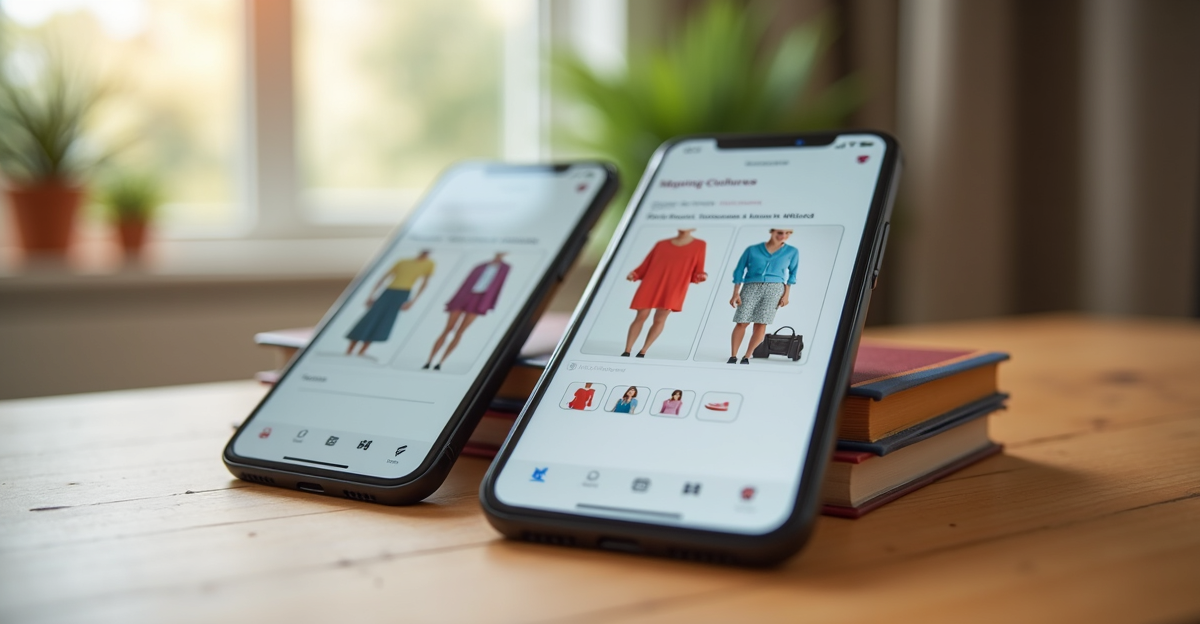
Quick verdict: Most AI outfit generators are shopping engines disguised as styling tools. The best ones for actual style development are Clo-Z (catalogs your wardrobe and generates combos from what you own), Combyne (free community-driven outfit builder), and ChatGPT/Claude (conversational styling with zero shopping bias). If you want help styling your existing closet, these three win. If you want shopping recommendations wrapped in AI language, literally everything else will happily oblige.
The AI outfit generator space split into two camps in 2025: tools that help you wear what you already own better, and tools that exist to sell you more clothes. The second group is winning on funding and marketing. The first group is winning on actually developing personal style.
Here’s what works, what doesn’t, and which apps treat you like a person with taste instead of a walking credit card.
How We Evaluated AI Outfit Generators (Criteria That Actually Matter)
Most AI outfit generator reviews rank apps by “AI sophistication” or “number of outfit combinations generated.” That’s backwards. The AI doesn’t matter if the tool just shows you the same outfits it shows everyone else.
We prioritized wardrobe integration—does the app work with clothes you already own, or does it need you to buy new stuff to function? Second: style development feedback loops. Does the app learn your actual preferences over time, or does it keep suggesting the same TikTok trends regardless of what you like?
Body type inclusivity, free tier viability, and output quality round out the criteria. But the wardrobe integration test is the tell: if an AI outfit generator works better when you don’t tell it what’s in your closet, it’s not a styling tool. It’s a shopping tool.
Opinion: Prioritize wardrobe integration over AI sophistication. AI that pushes consumption is just better marketing, not better styling.
Best AI Outfit Generators That Work With Your Existing Wardrobe
Clo-Z: Upload Wardrobe Photos, Get Outfit Combos From YOUR Clothes
Clo-Z is the only app that genuinely prioritizes outfit generation from your existing wardrobe. You upload photos of individual clothing items, the app catalogs them, and AI generates outfit combinations using only what you already own.
The free tier lets you upload 30 items. Paid tiers ($8/month) unlock unlimited cataloging and more daily outfit generations. The AI isn’t perfect—it sometimes pairs items that clash in real life—but the feedback loop works. You mark outfits as “love” or “skip,” and recommendations improve.
Best for: People with closets full of clothes they don’t know how to style together. Visual learners who need to see the combinations to understand them.
Combyne: Community Outfit Sharing + AI Recommendations
Combyne started as a community platform where users share outfit combinations, then added AI recommendations based on what similar users wear. It’s free, has a massive item database, and doesn’t push shopping (though items are shoppable if you want).
The AI suggestions pull from community trends, which means you get real outfit ideas people actually wear, not algorithmic nonsense. You can save favorite items, build mood boards, and get outfit suggestions for specific occasions.
Best for: People who want inspiration from real humans, not just algorithms. Works well if you like browsing outfit ideas and adapting them to your wardrobe.
ChatGPT/Claude: Describe Your Wardrobe, Get Outfit Suggestions
Text-based AI (ChatGPT, Claude) is underrated for outfit advice. Describe your wardrobe, body type, style preferences, and the occasion—get specific outfit suggestions with zero shopping bias.
The advantages: totally free, infinitely customizable, learns your preferences across conversations, and has no incentive to sell you clothes. The disadvantage: no visual output unless you also use image generation, which adds complexity.
Prompt example: “I have black jeans, white tee, gray blazer, brown loafers, navy sweater. Give me 5 outfit combinations for casual Friday at a creative office.” You get usable combos in 10 seconds.
Best for: People comfortable with text-based tools who want unbiased styling advice. Pair with Pinterest Lens or wardrobe apps for visuals.
Brief Mention: Whering and Stylebook
Whering and Stylebook are wardrobe cataloging apps with basic AI outfit suggestions. They’re better at wardrobe organization than AI generation—most users catalog their closet and build outfits manually. The AI features are secondary.
If you need robust wardrobe tracking, check out our detailed comparison of Stylebook vs Whering. For pure AI outfit generation, the apps above do it better.
AI Visual Search Tools: Style What You Already Own
Visual search flips the process: you photograph a clothing item you own, and AI finds outfit ideas featuring similar pieces. The tech is solid. The execution usually leads straight to shopping.
Pinterest Lens: Snap a Clothing Item, Get Outfit Ideas
Pinterest Lens lets you photograph any item and instantly see outfit boards featuring similar pieces. It’s free, fast, and genuinely useful for styling inspiration.
The catch: results skew heavily toward shopping. You’ll see affiliate links, product pages, and “shop this look” CTAs everywhere. If you can resist the shopping prompts and focus purely on outfit structure, it’s valuable.
Best for: Visual thinkers who need to see outfits to understand styling concepts. Works if you have strong impulse control around shopping links.
Amazon StyleSnap: Visual Search for Outfit Completion
StyleSnap analyzes photos and suggests Amazon products to “complete the look.” It’s shopping-first by design—Amazon built it to sell clothes, not to help you style what you own.
That said, if you’re actively trying to fill wardrobe gaps, StyleSnap is efficient. Upload a photo of an outfit you like, get shoppable alternatives for every piece. Just don’t expect it to suggest using items you already have.
Best for: People who want to buy specific pieces to complete a look. Not for wardrobe-first styling.
Google Lens: Free, Fast, But Generic Results
Google Lens does visual search for fashion, but results are generic. It identifies clothing categories and shows shopping results, but lacks outfit composition intelligence.
You can snap a jacket and find similar jackets. You won’t get outfit ideas for how to wear it. It’s a search tool, not a styling tool.
Opinion: Visual search is powerful if used to style existing pieces, not as a shopping shortcut. Pinterest Lens wins this category if you can ignore the shopping pressure.
AI Outfit Generators for Specific Use Cases
YesPlz: AI Fashion Filters for Body Type Matching
YesPlz uses AI-powered visual filters to help you find clothes that match your body type and style preferences. You adjust sliders for fit, silhouette, and vibe—the AI shows matching items.
It’s shopping-focused (mostly integrated into retail sites), but the body type filtering is better than most apps. You can filter for petite, tall, curvy, athletic builds and see items that actually work for your proportions.
Best for: People frustrated by generic size charts who want fit-specific recommendations.
Wizrd: Style Quiz-Based Recommendations
Wizrd asks style quiz questions, then generates outfit recommendations based on your answers. It’s polished and easy to use, but recommendations lean heavily toward shopping.
The AI learns preferences across quiz iterations, so accuracy improves over time. But the output is product-focused, not wardrobe-focused. You get “buy this outfit” more than “wear this combo.”
Best for: People comfortable shopping based on algorithmic recommendations. Not ideal for wardrobe styling.
H&M Virtual Try-On: See Items on Different Bodies
H&M’s virtual try-on uses AI to show how clothing items look on different body types. You can toggle between models with different body shapes and sizes to visualize fit.
It’s shopping-specific (only works for H&M items), but the body diversity is notable. Most virtual try-on tools show one body type. H&M at least attempts inclusivity.
Best for: Shopping H&M specifically. Helps reduce returns by visualizing fit before purchase.
Vue.ai: Outfit Completion Suggestions
Vue.ai powers outfit recommendations for several retail sites. It analyzes items you’re viewing and suggests complementary pieces to complete the outfit.
It’s B2B technology (retailers license it), not a consumer app. You encounter it on retail sites without realizing it. The recommendations are decent but always shopping-focused.
Best for: You don’t choose this—it’s embedded in retail sites you already use.
Tools We Don’t Recommend (And Why)
AI Styling Subscription Boxes (Stitch Fix, Wishi)
Stitch Fix and similar services use “AI styling” language, but they’re shopping subscriptions first, styling tools distant second. You get shipped clothes, keep what you want, return the rest.
The AI primarily optimizes inventory movement, not your personal style. Stylists are human (or AI pretending to be human), but recommendations are constrained by what the company needs to sell.
For a deeper breakdown of AI personal styling services, see our Stitch Fix alternatives guide.
Stylitics: B2B Tool, Not Real Consumer Product
Stylitics is AI outfit generation software that retailers license. You see it as “complete the look” widgets on shopping sites. It’s not a consumer app—you can’t download it and use it for your wardrobe.
It works fine for its intended purpose (selling more items per transaction), but it’s not a personal styling tool.
Generic “AI Outfit Generator” Websites
Search “AI outfit generator” and you’ll find dozens of websites with identical interfaces: upload photo, get random outfit suggestions. Most are template sites with generic AI models underneath.
They don’t learn preferences, don’t integrate wardrobes, and produce the same results for everyone. Skip them.
Do AI Outfit Generators Actually Help You Develop Personal Style?
Short answer: some do, most don’t.
Style development requires feedback loops. You try outfits, notice what works, refine preferences, repeat. Clo-Z and ChatGPT/Claude enable this—Clo-Z with visual feedback on generated combos, ChatGPT with conversational refinement.
Most apps show similar results to all users, which creates style homogenization. If an AI outfit generator recommends the same “trendy” pieces to everyone, it’s not developing your style—it’s selling trends.
The Wardrobe Integration Test
Here’s the diagnostic: does the app work better WITHOUT cataloging your wardrobe, or WITH it?
If it works better without (faster, easier, more recommendations), the app isn’t about your style. It’s about showing you products. Apps like StyleSnap, Wizrd, and shopping-focused generators fail this test.
If it works better with wardrobe data (Clo-Z, ChatGPT with detailed descriptions), the tool is genuinely trying to style you, not just anyone.
How to Use Outfit Generators Without Losing Individuality
-
Start with a wardrobe audit before asking AI. Know what you own. AI suggestions only work if you can map them to your actual closet.
-
Use AI for inspiration, not instruction. If a generated outfit feels wrong, don’t wear it. AI expands options; you make final decisions.
-
Combine tools. ChatGPT for unbiased text advice + Pinterest Lens for visual inspiration + Clo-Z for wardrobe combos = better than any single app.
-
Track what you actually wear. If AI suggests outfits you never wear, the recommendations aren’t working. Adjust or switch tools.
OPINION: AI outfit generators are tools, not stylists. The best ones expand your outfit vocabulary without overwriting your style voice. Most apps fail this test because selling clothes is more profitable than developing taste.
Free AI Outfit Generators vs Paid: What You Actually Get
Best free options:
- ChatGPT/Claude: Unlimited outfit advice, zero cost, no shopping bias
- Pinterest Lens: Free visual search and outfit inspiration (ignore shopping links)
- Combyne free tier: Community outfit ideas and basic AI suggestions
What paid tiers add:
- Clo-Z ($8/month): Unlimited wardrobe cataloging and more daily outfit generations
- Whering/Stylebook ($5-15/month): Advanced wardrobe analytics, outfit planning, packing lists
The honest take: free ChatGPT advice is often better than paid shopping apps. You pay for wardrobe organization features, not AI quality.
If you don’t need wardrobe cataloging software, stay free. If you have 100+ clothing items and want them organized, paid apps justify the cost. But the AI outfit generation itself? Free tools are competitive.
Which AI Outfit Generator Apps Work Best for Different Body Types?
Brutal truth: most AI outfit generators ignore body type entirely. They suggest outfits based on trends, not your actual proportions.
Apps with body type consideration:
- YesPlz: Explicit filters for petite, tall, curvy, athletic builds
- H&M virtual try-on: Shows items on different body models
- ChatGPT/Claude with body type descriptions: Most effective if you provide detailed body info in prompts
Example prompt for ChatGPT: “I’m 5’2”, petite frame, pear-shaped. I have black jeans (ankle length), oversized blazer, fitted tees. What outfit proportions work best to balance my shape?”
You get better body type advice from text AI with good prompting than from most visual apps.
Opinion: Body type inclusivity shouldn’t be a premium feature. The fact that free ChatGPT handles this better than $10/month apps is embarrassing for the paid tier.
For related body type and color matching, see our guide to AI color analysis apps and AI capsule wardrobe planners.
How to Actually Use AI Outfit Generators (Without Losing Your Style)
Step 1: Audit your wardrobe first. Take inventory—either manually or with an app. AI can’t style what it doesn’t know about.
Step 2: Start with one tool, not five. Pick Clo-Z for visual wardrobe generation, ChatGPT for text-based advice, or Combyne for community inspiration. Don’t juggle tools until you’ve maxed out one.
Step 3: Set boundaries around shopping. If you’re using visual search tools, decide in advance: “I’m here for outfit ideas, not shopping.” Pinterest Lens is useful if you can resist clicking product links.
Step 4: Build outfit formulas, not one-offs. AI-generated outfit X works once. An outfit formula (blazer + tee + jeans + loafers = casual polish) works forever. Extract patterns from AI suggestions.
Step 5: Track what you actually wear. If AI suggests 20 outfits and you wear 2, the other 18 were noise. Refine prompts or feedback to get better signal.
Combine tools strategically: ChatGPT generates outfit ideas from your wardrobe description → Pinterest Lens shows visual examples of those outfit structures → Clo-Z catalogs your items and reminds you what you own. Each tool does one thing well.
FAQ
What is the best free AI outfit generator?
ChatGPT or Claude for text-based outfit advice (no shopping bias, infinitely customizable). Pinterest Lens for visual outfit inspiration (free, fast, but heavy on shopping links). Combyne for community-driven outfit ideas with AI recommendations.
Do AI outfit generators work with existing wardrobe or just suggest shopping?
Split answer. Wardrobe-first apps: Clo-Z, Combyne, ChatGPT/Claude—they prioritize styling what you own. Shopping-first apps: StyleSnap, Wizrd, most retail-integrated tools—they suggest purchases. The wardrobe integration test: if the app works better without knowing what you own, it’s a shopping tool.
Which AI outfit generator is best for plus size or different body types?
YesPlz has explicit body type filters. H&M virtual try-on shows items on different body models. But honestly, ChatGPT or Claude with detailed body type descriptions in your prompts works best—you get personalized proportion advice without generic trend suggestions.
Can AI outfit generators help develop personal style, or do they just follow trends?
Only if they learn YOUR preferences. Clo-Z learns from outfit feedback (love/skip). ChatGPT learns across conversations. Most apps show the same trending outfits to everyone, which homogenizes style. The feedback loop is what separates style development tools from trend regurgitation engines.
Are paid AI outfit generator apps worth it compared to free options?
Only if you need wardrobe organization features (cataloging, analytics, outfit planning). For pure AI outfit generation, free ChatGPT is often better than paid shopping apps. You’re paying for software features, not AI quality. If you have 100+ items and want them organized, Clo-Z or Whering justify the cost. Otherwise, stay free.
Conclusion
The best AI outfit generators for individual style development are Clo-Z (visual wardrobe combos), Combyne (community inspiration), and ChatGPT/Claude (unbiased text advice). For shopping mode, StyleSnap or Pinterest Lens work fine if you’re actively buying.
Most apps in this space are shopping engines with AI branding. They optimize for selling clothes, not developing taste. The ones worth using treat your existing wardrobe as the starting point, not an obstacle to overcome.
AI can expand your outfit vocabulary, but your style voice should still be yours—choose tools that amplify your fashion instincts, not replace them.