Is Dressly worth it in 2026? Dressly’s ads promise an AI stylist that knows your colors, scores your outfits, and shows you clothes on your body before you buy — and for plenty of users, it delivers exactly that. Its Reddit threads, Better Business Bureau complaint log, and app-store reviews tell a messier second story.
Signing up means handing over a card number for a $19.99 “intro” price that a documented pattern of complaints says renews at roughly double or triple that. Getting this verdict wrong costs actual money, not just a wasted download.
The short version: Dressly’s core AI features — the 12-season color analysis and the virtual try-on especially — are genuinely useful and independently praised by users who never got burned on billing. But the subscription structure (a low intro price, a steep auto-renewal, optional add-ons presented mid-signup, and reported cancellation friction) is the same shape as the complaints piling up on BBB, Trustpilot, and Reddit. Worth trying, not worth trusting blindly.
What follows is what the app actually does, what it actually costs after the intro window, what real users report about both halves, and how to use it without becoming another complaint on the pile.
What Dressly Actually Is (and Who It’s For)
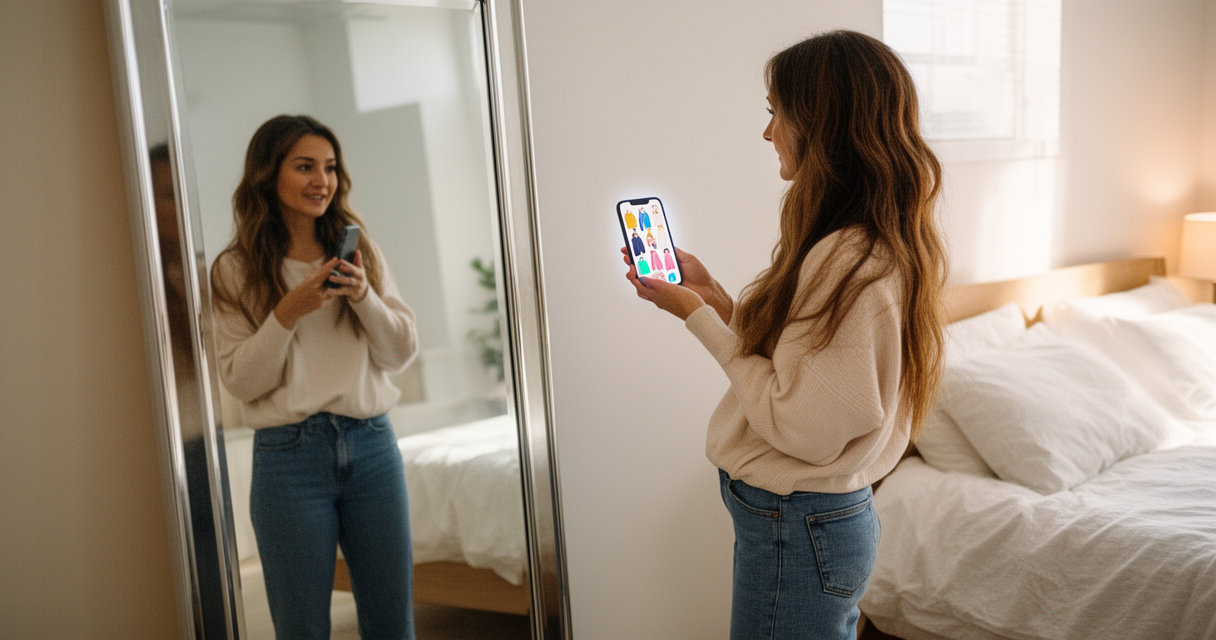
Dressly is a mobile app (iOS and Android) built around three AI features layered on top of a photo of the user.
The first is a 12-season color analysis: a selfie scan reads skin, hair, and eye tone and sorts the user into one of twelve seasonal color categories, then outputs a personal palette. It is the same underlying concept traditional color consultants use in person, automated through a phone camera.
The second is an Outfit Scanner — photograph a look, and the app scores it out of 100 with written reasoning: proportion feedback, fit notes, sometimes a specific fix like a French tuck.
The third is virtual try-on: the app renders a store item onto a photo of the user’s own body before purchase, rather than relying on a stock model who looks nothing like them.
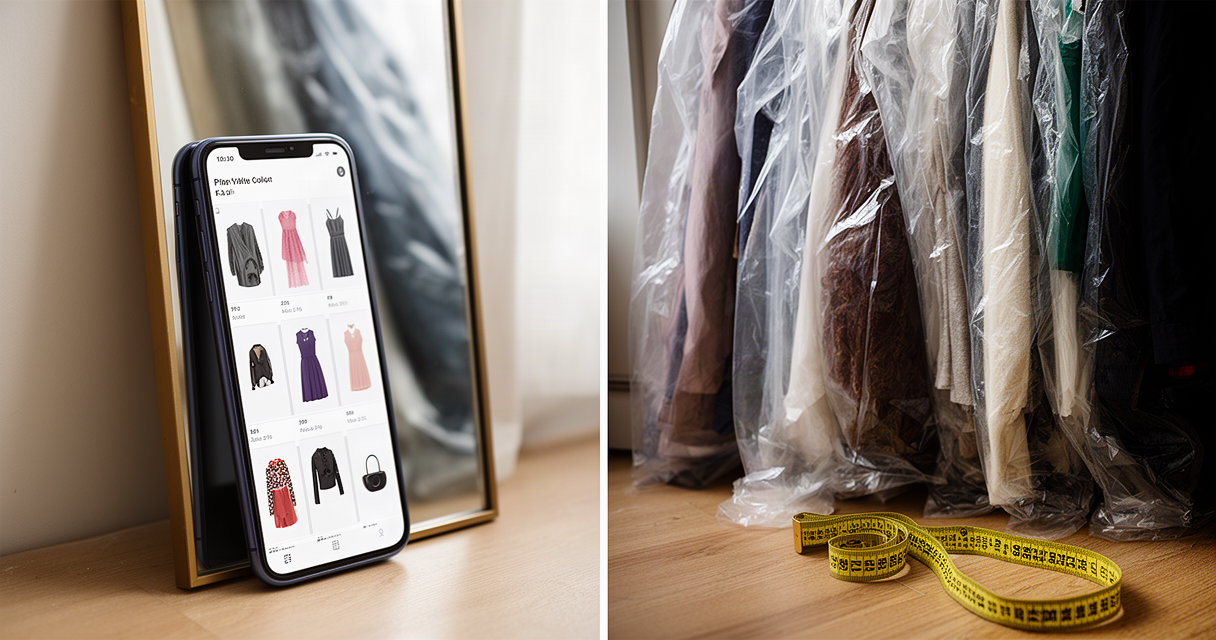
There’s also a digital wardrobe feature for photographing and cataloging existing clothes, aimed at people trying to build outfits from what they already own. Dressly is a real, functioning product with an actual team behind it — that framing matters before getting into the billing critique, because the two aren’t the same conversation. It’s built for people who shop online frequently, own a closet full of pieces that don’t coordinate, or want outfit decisions to take less time in the morning. It’s not built for people looking for a personal styling relationship or deep wardrobe curation — that’s a different product entirely, covered further down.
Dressly Pricing in 2026: The Real Cost After the Intro Period
The pricing structure is the single biggest driver of complaints about Dressly, and it follows a predictable shape.
Reported figures place the intro price at $19.99 for roughly the first four weeks, with renewal jumping to approximately $44.99 per four-week period after that — more than double the entry price. Some Android reviews cite different figures again, including $49.99 a month or an $11.99 weekly rate against a $79.99 annual option, suggesting pricing varies by platform, region, and whatever promotion a given user landed on.
On top of the base subscription, users report optional add-ons — things like a deeper body-type guide or extended color analysis — presented mid-signup for roughly $15 to $20 each. These prompts are reportedly easy to tap through without registering that a separate charge just occurred.
| Item | Reported price | Notes |
|---|---|---|
| Intro period | About $19.99 | Roughly the first 4 weeks |
| Renewal | About $44.99 / 4 weeks | More than 2x the intro price |
| Add-ons (body-type guide, extended color read) | About $15-20 each | Presented mid-signup, easy to miss |
| Alternate reported rates (Android) | About $11.99/week or $49.99/month | Platform/region variance |
All figures above are reported and approximate as of the research date. Dressly’s actual pricing varies by region, promotion, and platform — the number that matters is whatever appears on the checkout screen at the moment of signup, not any figure quoted here.
The pattern itself — low headline price to pull someone in, a steep renewal, and opt-in extras framed as upgrades rather than separate charges — isn’t unique to Dressly. It’s a known subscription-app playbook. But it is exactly the shape of the complaints detailed later in this article, and one user on r/Dressly described the mechanics plainly: “The intro price is low, which is what pulls you in, and then it jumps for the next period. It’s written in the green box at checkout, but it’s genuinely easy to breeze right past. I almost did.”
The AI Color Analysis: Is the 12-Season Read Actually Accurate?
Color analysis works by scanning a selfie for skin, hair, and eye undertones, letting the user correct anything the app misreads, then assigning a season and a matching palette. It’s the feature Reddit users most consistently credit as the reason to use Dressly at all.
One user on r/Dressly framed it as the standout: “The colour analysis in dressly was easily the most useful part for me. It does a 12 season breakdown and gave me an actual palette, plus it explained why certain colours wash me out, something I’d wondered about for years.” Another described a more personal payoff: “It wasn’t just ‘wear peach’ - it explained WHY id always felt off in the crisp white and black id built my entire wardrobe around, and why the soft warm shades i kept skipping past are the ones that suit me.”
The strongest single accuracy signal comes from a user who had already paid for an in-person color consultation and compared it directly against the app: “Mine matched almost exactly. Paid for an in person one two years ago and got the same season from the app. That sold me more than any of the styling features.”
None of this amounts to a clinical accuracy test — it’s users’ own self-reported experience, not a controlled comparison this article ran. Accuracy also depends on lighting and camera quality, according to users’ own accounts, which means the same person could get a slightly different read on a different day. Within that caveat, the color analysis is the feature that earns the most consistent praise from people with nothing to gain by saying so.
AI Outfit Scoring and Virtual Try-On: What Real Users Found
The Outfit Scanner and the virtual try-on cover different jobs — one judges what’s already on the body, the other previews what isn’t yet.
The Outfit Scanner’s numeric score reads as hit-or-miss on its own, but the written reasoning behind it is where users report actual value. One account on r/Dressly described the experience in detail: “I uploaded my go-to Tuesday work look-wide-leg trousers and a slightly oversized knit sweater. It gave me a 70/100. It basically told me I looked like a rectangle, lacked waist definition, and suggested a french tuck to fix the proportions. I was offended for about two seconds… Annoyingly, the robot was right.”
Virtual try-on gets credited for a more concrete outcome: fewer wasted purchases. A user on the same subreddit described testing it against a cheap, easy-to-misjudge item: “The virtual try-on is the part i keep coming back to… I tried a Shein bodycon dress on, $7.79, and seeing it on me first told me exactly what id be getting… I defenately order less impulsively now bc i can see the thing on me first.” That’s a specific, believable use case — fast-fashion product photos are notoriously unreliable, and a rendered preview on an actual body closes some of that gap.
Users also flag limits worth knowing upfront: lighting affects scan accuracy for both features, and the try-on renders overall drape and vibe more reliably than exact fit. The recurring advice from users themselves is to treat the score as a second opinion, not a verdict — advice this article endorses. An AI outfit score is a useful data point, not an authority on anyone’s personal style.
The Billing Complaint Pattern: What BBB, Trustpilot, and Reddit Actually Show
This is where the reported evidence gets harder to wave away, and every claim below is attributed to the platform where it appears — not stated as this article’s own finding.
Dressly (headquartered in Las Vegas, Nevada, per its BBB profile) holds an F rating from the Better Business Bureau, is not BBB-accredited, and has approximately 79 complaints logged on its BBB profile, with roughly 13 going unanswered by the business, according to BBB’s own complaint page as of the research date (BBB ratings and complaint counts change over time and should be checked directly for the current figure). The recurring complaint themes on that log are unexpected or duplicate charges, difficulty cancelling, delayed or partial refunds, and confusion over what a “free” download actually ends up costing.
Trustpilot tells a more split story. Dressly’s aggregate rating there is reported as “Great,” around 4.2 out of 5 across thousands of reviews as of the research date — a rating that can shift and should be checked directly on the platform. But a consistent negative cluster within those reviews centers specifically on billing, not on the styling features, which mirrors the same divide showing up elsewhere.
On r/Dressly, even users who like the product describe a subreddit environment that includes the company itself pushing back on “scam” framing, alongside genuine user threads about charges continuing after cancellation and add-on charges tapped without registering as separate purchases. Google Play reviews add specific dollar figures: one reviewer wrote, “i was charged $49.99 a monthly since February even though i was contacted by someone from customer service stating my account was closed… THEY WILL CONTINUE TO CHARGE YOU EVEN AFTER CANCELING!” Another described several charges landing on the same day: “I was charged $15.99, $19.99, and another $19.99 all in the same day for their AI service. I paid $55.00 for a service that didn’t select a single outfit for me that I liked.” A commenter on a YouTube review video described escalating to a card dispute: “Definitely a Bait and Switch…advertised as an Amazon capsule wardrobe for $100.00 and not only does it have nothing to do with Amazon, does not provide any merchandise, and has the nerve to charge $49.99 a month with no ability to cancel. $150.00 later I had to file a dispute and cancel my card.”
One genuine confound worth naming: some search results for “Dressly scam” actually concern Dresslily, an unrelated fast-fashion retailer with a similar name. That naming collision muddies an already-mixed reputation and inflates how bad Dressly’s own record looks at a glance.
Is Dressly Worth It? Legit or Scam — Our Verdict
Dressly is a real, functioning app built by a real team, with a product that does what it advertises — that rules out “scam” in the fraud sense of taking money and delivering nothing.
What it doesn’t rule out is a billing model shaped exactly like the thing that generates BBB, Trustpilot, and Reddit complaint patterns: a low intro price, a steep renewal disclosed but easy to miss at checkout, opt-in add-ons that don’t clearly register as separate charges, and reported friction when someone tries to cancel or get a refund.
The honest reading, and one that users on r/Dressly arrived at independently, is that the styling reputation and the billing reputation are two different conversations that keep getting blended into one. A user who researched both sides before subscribing summed it up: “So my honest take, after all of it: it’s not a scam, and it’s also not magic. The styling side is genuinely good and does what it promises. The subscription side just needs you to pay attention, same as any other app that bills you. Set a cancel reminder if you’re unsure.”
That’s the fairest verdict available: legit product, subscription-trap-shaped billing. Not a blanket scam accusation, and not a free pass either.
How to Use Dressly Without Getting Burned (If You Decide To)
None of the above should read as a reason to avoid the app entirely — it reads as a reason to go in with a plan.
- Screenshot the checkout screen before confirming payment, including the renewal price and date, not just the intro price shown in large type.
- Set a reminder 2-3 days before the intro period ends, not the day of. Waiting until the last day removes any margin for a slow app-store cancellation flow.
- Decline or double-check any “upgrade” prompt offered mid-signup, like a body-type guide or a deeper color read. These are the prompts users most often cite as the source of surprise add-on charges.
- Cancel through the Apple or Google subscription manager, not just inside the Dressly app itself. The app-store record is the more reliable proof that cancellation actually happened.
- If a charge appears after cancelling, users report the faster path is disputing directly with Apple, Google, or the card issuer rather than waiting on email support — general consumer guidance, not legal advice.
- On refunds, check current terms in-app rather than assuming a policy. Users report inconsistent outcomes, and one BBB case on record cites a 75% refund offer rather than a full one.
None of this is exotic advice — it’s the same discipline worth applying to any subscription app with a low intro rate. It just matters more here given the volume of billing complaints on record.
Dressly vs. a Human Stylist, Stitch Fix, and Other Alternatives
Dressly isn’t the only way to get styling help, and it isn’t the right fit for every use case.
Against a human stylist, Dressly is cheaper and instant, but it’s a second opinion, not a verdict — it won’t build the kind of ongoing personal relationship a stylist develops over multiple sessions. Against Stitch Fix, the models are fundamentally different: Dressly is self-serve AI applied to a wardrobe or a browsing list, while Stitch Fix ships curated physical boxes chosen by a human stylist for a styling fee. Readers weighing that specific tradeoff can look at a full breakdown of best AI styling apps compared to Stitch Fix.
If color analysis is the specific draw and the rest of Dressly’s subscription feels like more than needed, it’s worth comparing against other AI color analysis apps built around that single feature. If reducing online returns is the actual goal, dedicated best virtual try-on apps for reducing online returns are worth a look on their own. And for readers who want outfit suggestions without photographing an entire closet, other AI outfit generators worth trying offer a lighter commitment.
Dressly bundles three genuinely useful features into a single subscription. Some readers will be better served picking one problem — colors, fit, or outfit ideas — and choosing a cheaper, single-purpose tool instead.
Frequently Asked Questions
Is Dressly legit or a scam?
It’s a real, functioning app with a real team and product — not a scam in the fraud sense of taking money and delivering nothing. But its billing model draws a heavy, documented pattern of complaints across BBB, Trustpilot, and Reddit, including unexpected charges, steep renewal jumps, and reported cancellation friction. The fair reading is legit business, subscription-trap-shaped billing — not a blanket scam claim.
How much does Dressly actually cost after the intro period?
Reported figures put the intro price around $19.99 for the first four weeks, renewing at roughly $44.99 per four-week period afterward, plus optional add-ons around $15 to $20 each presented during signup. These are reported and approximate figures that vary by region and promotion — always check the exact renewal price shown at checkout before confirming.
Is Dressly’s AI color analysis (12-season) actually accurate?
Accuracy here is based on users’ own reports, not a lab test, but it’s the feature with the most consistent independent praise — including a user who compared it directly to a paid in-person color consultation and got a matching result. Lighting and camera quality affect the read, according to users’ own accounts.
Can you get a refund if you forget to cancel?
Users report difficulty and inconsistent outcomes — some received partial refunds (one BBB case cites a 75% offer), others report none. This isn’t legal advice: the more reliable path is cancelling through the Apple or Google subscription manager before renewal, and disputing the charge with a card issuer or the app store if billed after cancellation.
Is Dressly’s virtual try-on good enough to reduce online return rates?
Multiple users report it meaningfully cut impulse buying and returns by showing how an item would drape on their actual body before purchase. Users themselves describe it as better at conveying overall drape and vibe than guaranteeing exact fit.
Is Dressly better than a human stylist or Stitch Fix?
They solve different problems. Dressly is instant, comparatively cheap, and self-serve on a person’s own wardrobe and browsing habits; a human stylist or Stitch Fix’s curated-box model offers deeper personalization and physical try-before-you-buy at a higher cost and slower pace. Users describe Dressly’s outfit scoring as best used as a second opinion, not a verdict.
The Bottom Line: Is Dressly Worth It in 2026?
Dressly is a genuinely useful AI styling tool — the color analysis and virtual try-on carry real, independently reported value — wrapped in a subscription structure that behaves exactly like the billing complaints on BBB, Trustpilot, and Reddit describe.
Anyone trying it should screenshot the checkout price, set a cancellation reminder before the intro period ends, and decline any mid-signup upgrade prompt they don’t fully understand.
The AI got good at reading colors. The checkout screen is the part that still needs a closer read.
References
- Better Business Bureau, Dressly complaint profile — https://www.bbb.org/us/nv/las-vegas/profile/online-retailer/dressly-1086-90094168/complaints
- Trustpilot, Dressly.world reviews page — https://ca.trustpilot.com/review/dressly.world
- Cancellation-guide aggregator on Dressly subscription pricing — https://explaincharges.com/how-to-cancel-dressly-subscription/
- Aggregated review analysis on Dressly billing complaints — https://ratingfacts.com/blogs/dressly-review-ai-stylist-safe
- r/Dressly — “The Dressly app review dilemma: separating real AI from billing complaints” thread — https://reddit.com/r/Dressly/comments/1uql6ab/the_dressly_app_review_dilemma_separating_real_ai/
- r/Dressly — color analysis reaction thread — https://reddit.com/r/Dressly/comments/1uxwsf5/i_finally_got_my_colors_done_and_im_weirdly/
- r/Dressly — “Wanted honest Dressly reviews before paying” thread — https://reddit.com/r/Dressly/comments/1u1iq0o/wanted_honest_dressly_reviews_before_paying_found/
- r/Dressly — outfit scoring/French-tuck experience thread — https://reddit.com/r/Dressly/comments/1sq0v21/i_couldnt_find_any_real_dressly_reviews_on_here/
- Google Play, Dressly app reviews — https://play.google.com/store/apps/details?id=world.dressly.fashion&hl=en_US
- YouTube comments, Dressly review video — https://www.youtube.com/watch?v=eGRK4fG6uXk