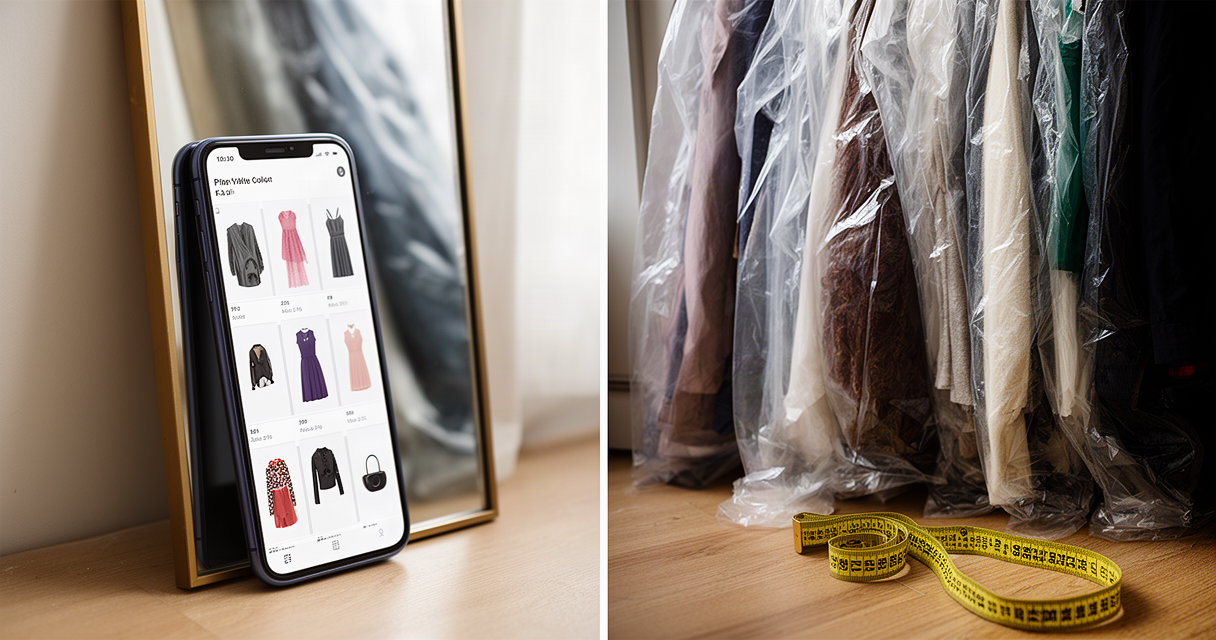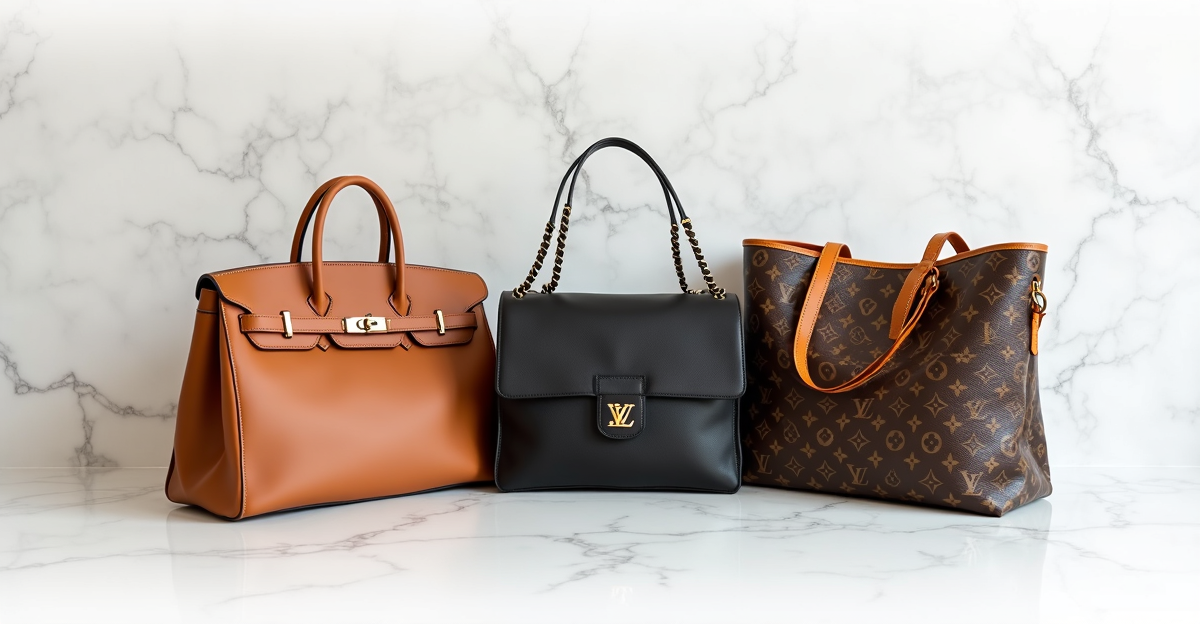
You have a designer bag to sell. You know the three names. You do not know which one will actually put more money in your account — and the answer is not the same for every bag.
The gap between the best and worst platform for your specific bag can be hundreds of dollars. Vestiaire raised its selling fee from 10% to 12% effective July 2025, pushing total seller cost to 15% with processing. TheRealReal discounts items algorithmically and pays you on the discounted price, not the listed one. Fashionphile buys your bag outright — no waiting, no markdowns, but also no upside if the market surges after you ship.
The quick answer: Hermès (Birkin/Kelly) → Fashionphile. Chanel (classic flap, WOC) → Vestiaire. Louis Vuitton (Neverfull, Speedy) → TheRealReal. Under $500, skip all three and list on Poshmark or Mercari yourself.
The model matters as much as the fee percentage. Here’s the full breakdown.
The Three Models Are Completely Different — Start Here
Before comparing payouts, understand what you’re actually signing up for. These platforms operate on fundamentally different mechanics.
TheRealReal (TRR) is full-service consignment. You ship your bag, they authenticate, photograph, list, and handle the sale. Commission ranges 20–85% depending on your loyalty tier and item category. When they decide to discount your bag — and they will, algorithmically — you get paid on the sale price, not the listed price.
Fashionphile is a direct buyout. They quote you upfront. You accept or decline. If you accept, you ship, they verify, and you’re paid in 2–4 business days. That quote is your number. No surprises, no markdowns, no waiting six weeks.
Vestiaire Collective is peer-to-peer. You list your item at whatever price you choose, Vestiaire takes 12% selling fee plus 3% processing — 15% total as of July 18, 2025 — and you wait.
Three completely different risk profiles. Fashionphile trades upside potential for certainty. Vestiaire gives you control at the cost of time and effort. TRR gives you convenience with hidden volatility baked in.
Payout Comparison: The Same $1,500 Bag on All Three Platforms
Take a Louis Vuitton Neverfull MM with an estimated resale value of $1,500. Run it through all three platforms:
| Platform | Listed Price | Fees / Commission | Your Net | Timeline | Markdown Risk |
|---|---|---|---|---|---|
| Fashionphile | N/A (buyout) | ~30% | ~$1,050 | 2–4 days | None |
| TheRealReal (no markdown) | $1,500 | 35% (standard tier) | ~$975 | 1–2 months | Moderate |
| TheRealReal (20% markdown) | $1,200 sale | 35% | ~$780 | 1–2 months | Already happened |
| Vestiaire | $1,650 (to net $1,400) | 15% | ~$1,400 | 15th of following month | None (seller controls) |
That $195 swing between TRR’s no-markdown and post-markdown scenario isn’t a worst-case. It’s the expected case. TRR’s algorithmic markdown system exists because it moves inventory faster — which is good for TRR’s business and bad for yours.
The Vestiaire number looks best, but it requires you to price strategically, photograph well, answer buyer questions, and wait up to six weeks to get paid.
There’s no free lunch. But some lunches are a lot more expensive than others.
TheRealReal vs Fashionphile vs Vestiaire: How Fees Stack Up in 2026
TRR’s biggest advantage is buyer volume. They have millions of active buyers, strong SEO, and a recognizable brand. If you’re selling mid-market Louis Vuitton or Gucci, your item moves fast.
The problems are structural, not incidental.
The markdown policy isn’t a bug in the system. It’s the system. TRR algorithmically reduces listing prices to clear inventory, and your commission is calculated on whatever that final price lands at. First-time sellers get the worst commission tier. Loyalty tiers (Trendsetter, VIP) improve your rate, but most people selling one or two bags never reach them.
The authentication controversy is worth knowing about. TRR settled an $11 million class action investor lawsuit over authentication claims. The platform is not fraudulent, but it’s not the authentication gold standard either — and if you’re selling a $5,000 Chanel flap, “pretty good authentication” isn’t reassuring to buyers who’ve done their research.
Timeline is real. Sellers on PurseForum consistently report 1–2 month payout cycles. For an $800 bag, that’s a long time to wait for money that got marked down without warning.
TRR works. For mid-market, high-volume brands, it’s legitimate. But first-time sellers should go in knowing the game is tilted.
Fashionphile Direct Buyout vs Consignment: The Best Option for Hermès
Fashionphile is the only platform where you know your exact payout before handing over the bag. That alone sets it apart.
The payout structure is transparent: 70% of resale value up to $3,000; 85% on any portion above $3,000. On a $15,000 Birkin, that 85% tier on the upper $12,000 translates to serious money compared to TRR’s commission on a potentially discounted sale price.
Fashionphile specializes in ultra-premium: Hermès, Chanel, Louis Vuitton, and a handful of other investment-grade brands. Their authentication reputation is cleaner than TRR’s. Buyers at Fashionphile are specifically shopping for verified luxury, which means demand is strong for exactly the bags that command the highest prices.
The trade-off is real: you cannot set your own price. Fashionphile’s quote reflects current resale market conditions, and if the market is soft, your quote reflects that. You also lose the upside if a bag’s resale value spikes after you’ve already sold.
For most people selling a $10,000+ Birkin, eliminating markdown risk on a five-figure bag is the right call. The certainty is worth more than the theoretical upside of seller-set pricing.
Vestiaire Collective vs TheRealReal: Highest Ceiling, Most Work — And More Expensive Than It Used to Be
Vestiaire’s pitch is simple: set your own price, reach global buyers, keep more of the sale. The pitch got worse in July 2025 when the selling fee jumped from 10% to 12%, pushing total seller cost to 15% (12% selling + 3% processing). Items under $83 pay a flat $10 fee instead.
The strategic move on Vestiaire is pricing 15–20% above your target net. If you want $1,400, list at $1,650. This is mechanical math, not negotiation — just build the fee in from the start.
Vestiaire’s real strength is international demand. Chanel classic flaps, European heritage brands, and $2,000+ statement pieces have a global buyer pool that TRR’s US-centric audience simply can’t match. For the right item, you can command a price that domestic platforms won’t touch.
But 2025 hasn’t been kind to Vestiaire sellers. Complaints on r/femalefashionadvice and independent resale blogs document mass listing removals with no explanation, payment delays to the 15th of the month following the sale (that’s potentially a six-week wait), and noticeably slower sales velocity. Some established sellers are migrating to Whatnot for live selling instead.
Vestiaire is still the right call for high-value Chanel and European luxury. Just go in with realistic timeline expectations and a willingness to manage the listing yourself.
Brand-by-Brand Routing Guide: Which Platform for Which Bag
This is the decision you actually need to make. Here’s where each brand routes best:
Hermès (Birkin, Kelly, Constance) → Fashionphile. Fashionphile specializes in these and their buyer base knows it. The 85% payout tier on portions above $3,000 is strong, and eliminating markdown risk on five-figure bags is the right call. Don’t consign a $20,000 Kelly to an algorithm.
Chanel (classic flap, WOC, boy bag) → Vestiaire. International demand for Chanel is Vestiaire’s strongest category. Seller-set pricing on $4,000+ pieces captures real upside. Accept the timeline, price in the 15% fee, and you’ll net more than anywhere else for investment Chanel.
Louis Vuitton (Neverfull, Speedy, Alma) → TheRealReal. High buyer volume moves mid-market LV fast. Markdown risk is lower on $800–$1,500 bags because there’s less dollar value to lose. TRR’s scale works here.
Quiet luxury (Celine, Bottega, The Row) → Vestiaire (international) or TRR (US buyers). Depends on your timeline. Vestiaire for top price, TRR for faster turnover.
Under $500 → Skip all three. Vestiaire’s 15% fee hurts on low-value items, TRR’s commission is unfavorable, and Fashionphile may not quote at all. Use Poshmark or Mercari and keep nearly everything. You can also use virtual try-on tools to photograph items for stronger listing photos if you’re going peer-to-peer.
What the Resale Community Actually Says
Marketing copy is easy. What matters is what sellers report after they’ve shipped.
PurseForum — the de facto community for serious handbag resellers — documents TRR payout timelines of 1–2 months regularly, alongside frustrated threads about markdowns that appeared without notification and commissions that came in much lower than expected.
Fashionphile’s reputation in the same community is for reliable authentication and predictable payouts. The complaint you’ll find is that the quote was lower than hoped — which is a market condition, not a platform problem.
Vestiaire’s 2025 story is the most volatile. Multiple independent resale blogs and r/femalefashionadvice threads covered what looks like a seller exodus following the fee increase and a wave of unexplained listing removals. Vestiaire remains viable for the right items, but the platform is clearly managing margins more aggressively than it was two years ago.
The platforms have slick marketing. The forums tell you what happens after you ship.
Frequently Asked Questions
Which platform pays more for luxury handbags — TheRealReal, Fashionphile, or Vestiaire Collective?
It depends on the bag. Fashionphile is most predictable for Hermès via direct buyout. Vestiaire has the highest ceiling for Chanel (seller-set prices, international demand). TRR has the most volume for mid-market LV but algorithmic markdowns erode the commission in ways you can’t predict upfront.
What is Fashionphile’s direct buyout and how does it compare to TheRealReal’s consignment?
Fashionphile quotes you upfront, you ship if you accept, and you’re paid in 2–4 business days. TRR holds your item, lists it, may discount it algorithmically, and pays 1–2 months after sale. Fashionphile is certainty. TRR is higher theoretical upside with real execution risk.
Did Vestiaire Collective raise its seller fees?
Yes. The selling fee increased from 10% to 12%, effective July 18, 2025. Combined with the 3% processing fee, total seller cost is now 15%. Items under $83 pay a flat $10 fee.
How does TheRealReal’s markdown policy affect what I actually get paid?
Your commission is calculated on the final sale price, not the listed price. If TRR lists your bag at $1,500 and algorithmically marks it down to $1,200, your commission applies to $1,200. On a standard commission rate of 35%, that’s a $105 difference you didn’t agree to and may not notice until the check arrives.
How long does it take to get paid on each platform?
Fashionphile: 2–4 business days after verification. Vestiaire: 15th of the month following the sale — potentially a six-week wait. TheRealReal: 1–2 months after sale. If you need liquidity, Fashionphile is the only platform that delivers quickly.
Is TheRealReal’s authentication trustworthy?
TRR settled an $11 million class action investor lawsuit over authentication claims. The platform is not fraudulent, but its authentication process is tiered and has documented gaps. Fashionphile’s authentication reputation is stronger with serious collectors. For a $500 Gucci wallet, TRR is fine. For a $15,000 Hermès piece, choose a platform with a cleaner track record.
Get the Number Before You Decide
The platform that pays more depends entirely on the bag. Fashionphile for Hermès. Vestiaire for Chanel. TheRealReal for mid-market Louis Vuitton. And for anything under $500, sell it yourself.
Before you ship anything, spend 10 minutes getting a Fashionphile quote and a Vestiaire listing estimate. That gives you a real baseline — then decide whether TRR’s full-service convenience is worth the markdown risk.
If you’re weighing whether to sell at all versus continuing to use the bag, our Nuuly vs Rent the Runway comparison covers the luxury rental model as a solid alternative to outright resale.
Your bag spent years holding its value. Spend 10 minutes making sure the platform you choose doesn’t give it away.